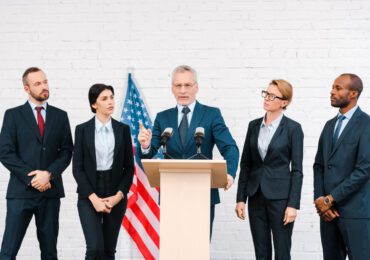
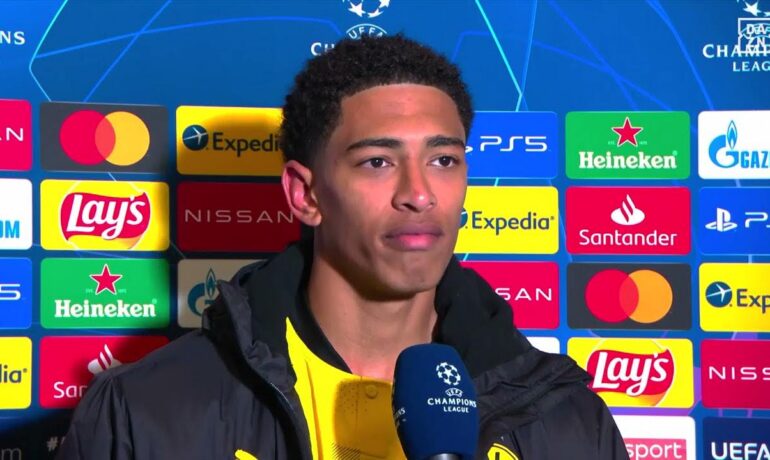
In today’s sports world, athletic talent is only one part of the equation. The athletes who rise above the rest on and off the field are the ones who know how to use media strategically. Whether on social platforms, in interviews, or during high-stakes press conferences, the modern athlete is not just a competitor. They are a public figure, a brand ambassador, and a storyteller.
But with this opportunity comes responsibility. Athletes must learn to promote their personal brand while staying aligned with their team’s values, honoring sponsor partnerships, and maintaining professionalism under public scrutiny.
The Rise of the Athlete as a Brand
- Build a loyal fan base
- Strengthen sponsorship opportunities
- Shape their professional identity
- Control their narrative during wins, losses, or controversy
Athletes no longer rely solely on traditional press; they now have their own platforms to influence millions. But visibility without strategy can lead to misunderstandings, negative headlines, or conflicts with team culture. This is where media mastery becomes essential.
Balancing Personal Expression with Team Dynamics
While personal branding is powerful, athletes are also members of a collective: a team with its own culture, reputation, and expectations. Striking the right balance is key. Successful athletes learn to:
1. Align Their Messaging
Your personal brand should not contradict your team’s values. Whether you post after a tough loss or speak during a press conference, your messaging should reflect professionalism and unity.
2. Avoid Unnecessary Controversy
Athletes are often under a microscope. A single statement, especially online, can escalate quickly. Media-trained athletes know when to speak, when to pause, and how to redirect questions diplomatically.
3. Lead With Emotional Intelligence
Frustration, excitement, and adrenaline are part of the game. But media engagement requires composure. Athletes who respond thoughtfully earn respect from teammates, coaches, and fans.
4. Amplify the Team’s Success
Personal wins are important, but acknowledging team contributions builds stronger locker-room chemistry and public credibility. Fans admire confidence, but they respect humility.
Owning the Narrative: Why Storytelling Matters
The athletes who grow the strongest brands are those who understand storytelling. Fans connect with authenticity struggles, triumphs, routines, community work, and personal growth.
Media training helps athletes craft a narrative that is:
- Engaging
- Relatable
- Inspirational
- Aligned with long-term career goals
A strong story humanizes the athlete and makes their voice more compelling across media interviews, social platforms, podcasts, and documentaries.
Conclusion: Media Mastery Is Now Part of the Game
In the modern sports industry, communication skills are as important as physical performance. The athletes who rise to the top are those who can:
- Speak with clarity and confidence
- Manage media pressure
- Promote their brand with integrity
- Respect team culture and sponsorship commitments
- Connect authentically with fans
- Protect their reputation in every interaction
Media mastery is no longer a luxury; it’s a required skill for athletes who want long-lasting influence, strong partnerships, and a legacy that extends far beyond the game.
At OMG Creative Solutions, we help athletes develop media confidence, communication clarity, and the strategic presence needed to build their personal brand with integrity!
👉 Schedule a Discovery Call Today to elevate your presence, protect your reputation, and communicate like the pro you are.